
Þórhallur Jónsson
16 September 2025
A second gateway into the country – the lesson from Queenstown
Why do I never tire of pointing out that in 1995 New Zealand opened a second gateway into their country, and comparing it to the development we should be undertaking at Akureyri Airport and in Akureyri itself? Because Queenstown is surrounded by mountains just like Akureyri, which makes the approach comparable.
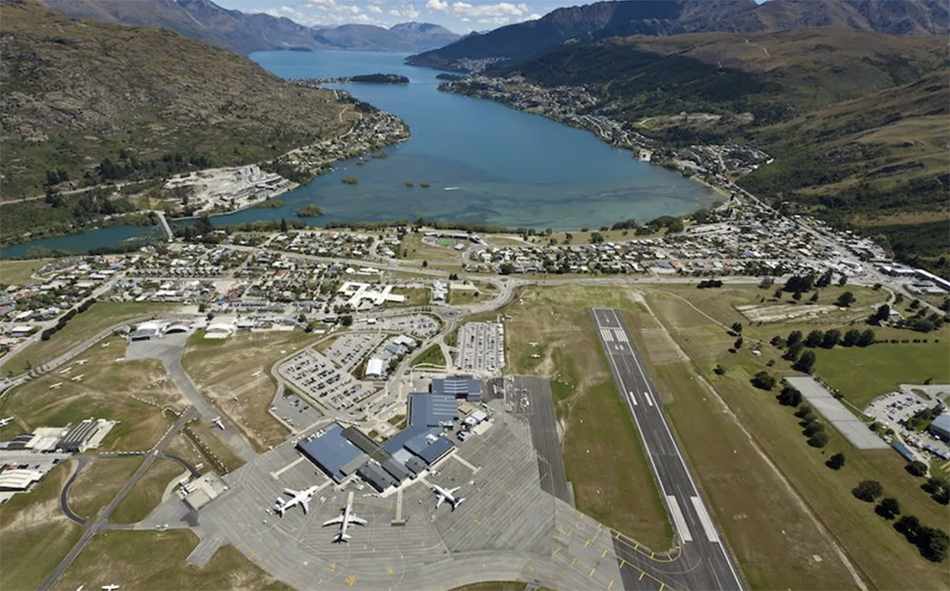
But this needs to be a political decision and a regional policy. I maintain that this is one of the most cost-effective economic measures Iceland could take today. All the talk about Iceland being sold out and unable to take more tourists does not apply here in north-east Iceland. Here there is plenty of room to grow all year round, and stakeholders in other parts of the country should not be allowed to block the build-up of a real international airport here, and with it a real second gateway into the country.
The build-up
Queenstown in New Zealand transformed from a small mountain and ski town – like Akureyri is today – into an international tourism hub after regular international flights began in 1995. Tourism grew rapidly and made the area one of New Zealand’s best-known “all-season” destinations. The population of the area has more than tripled from 1996 to 2023, simply by deciding to open a second gateway into the country and continually working on improving approaches and developing the airport.
The development
Development of the destination began in 1995 when the first scheduled international route (Sydney – Queenstown) was opened. This radically changed access to the area and set off major development in accommodation and leisure. There was strong emphasis on winter sports and ski areas were further developed, making Queenstown the “winter capital” of New Zealand. Between 1995 and 2000 the flight routes increased, mainly from Australia.
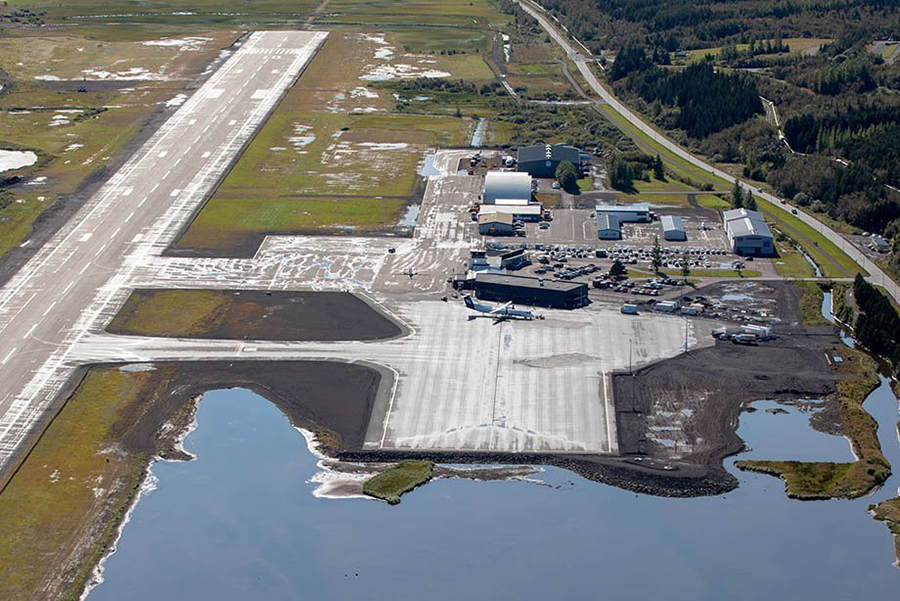
Between 2000 and 2010 the destination was developed into a year-round one, no longer just a winter attraction. The focus was on building hotels, restaurants and adventure activities. From 2010 to 2019 visitor numbers through the airport grew significantly each year, reaching 2.3 million passengers in 2019. Major international investors entered the hotel sector, Queenstown Airport was expanded, and tourism became by far the area’s largest industry.
In 2020–2021, COVID-19 led to a complete collapse in tourist arrivals, as elsewhere in the world. The population of the area, however, continued to grow.
In recent years, from 2022 to 2025, there has been a very rapid recovery in tourism after COVID, and visitor numbers have approached the previous peak again, with over 2.5 million travellers passing through the airport each year.
Population development (Queenstown – Lakes District)
- 1996: ~15,000 inhabitants
- 2006: ~22,000 inhabitants
- 2013: ~29,000 inhabitants
- 2018: ~39,000 inhabitants
- 2023: ~52,000 inhabitants
Akureyri has every prerequisite to develop over the next 30 years just as Queenstown did, into a city of 50,000 people with daily international flights and greatly expanded tourism and leisure all year round. We simply need to decide that this is what we want to do, in order to increase employment opportunities and prosperity in our region – the opportunity is most certainly there.
Þórhallur Jónsson holds 1st place on Akureyrarlistinn